
Who we are
For over two decades, SWALIM has worked so that decisions about Somalia’s water and land are made on evidence rather than guesswork.
The Somalia Water and Land Information Management project (SWALIM) is implemented by FAO with a single long-term purpose: to build Somali institutions that can generate, manage and use natural resource information on their own.
From a concept paper to a national information system
SWALIM began as a concept paper in late 2001 and became operational in 2002 under an establishment phase funded by Cooperazione Italiana. Six phases followed over the next twenty years, taking the project from data recovery to a functioning national information system.
SWALIM has since moved beyond the phase model. Today it operates through individual donor-funded projects, each contributing to a shared set of services, while a transition strategy is being developed to guide the handover of those services to Somali institutions.
The early years were an act of recovery
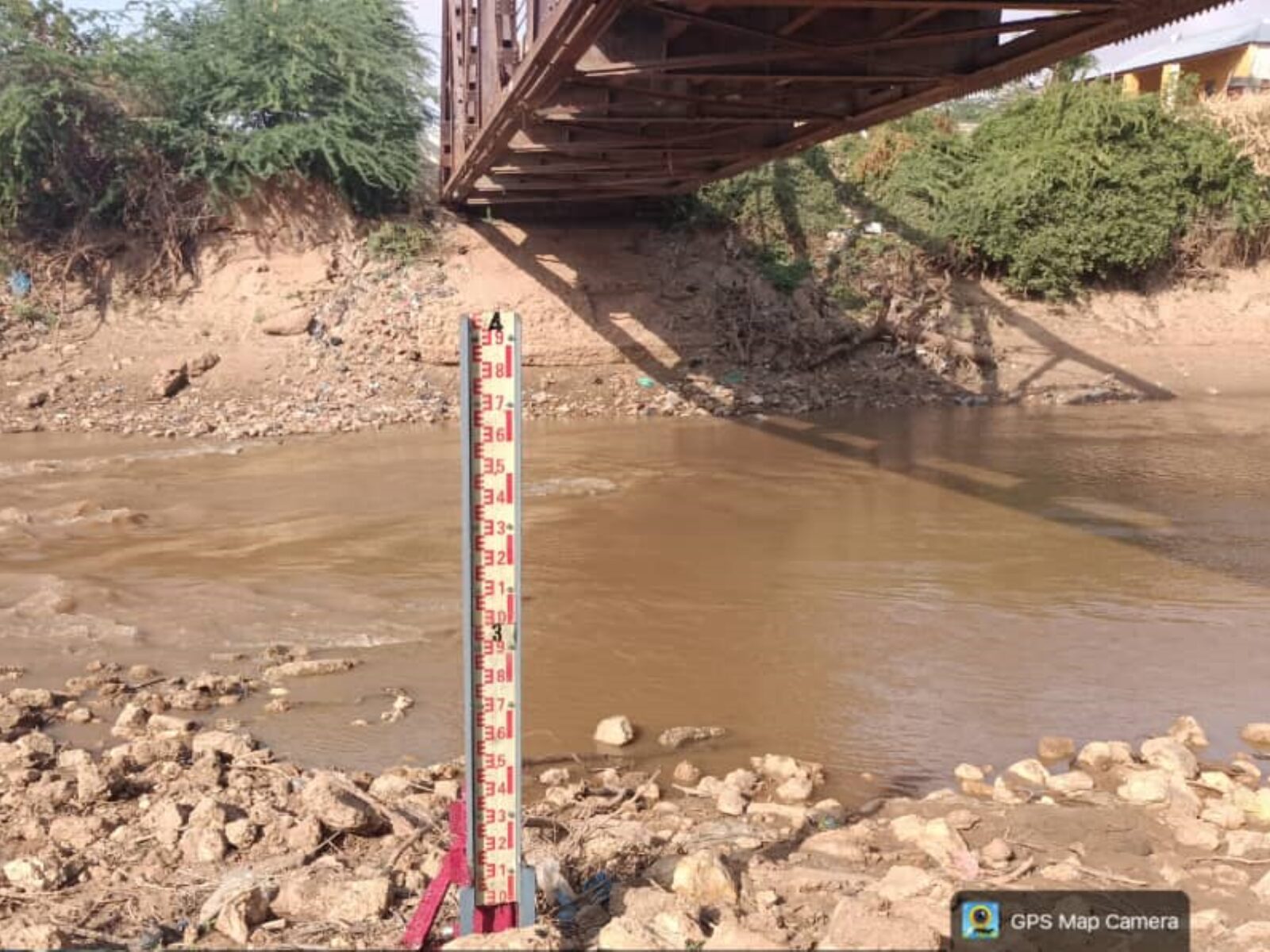
Decades of conflict had scattered or destroyed Somalia’s environmental records. SWALIM tracked down surviving data in archives across Somalia and around the world — rainfall registers, river readings, soil surveys, maps — and rebuilt the national baseline from what could be saved.
What we do today
Four areas of work, running together rather than in sequence.
Water resources
Rainfall, river flow and groundwater monitoring networks, climate and hydrometeorological data, and flood and drought early warning.
Land resources
Soils, land cover, land use suitability and the monitoring of land degradation across the country.
GIS and remote sensing
Satellite-based assessment and mapping of Somalia’s natural resources, from seasonal crop conditions to riverbank change.
Information and knowledge management
Open data portals, standards and systems that keep the information findable, current and in use.
Where the information reaches people
Six public portals carry SWALIM data to anyone who needs it, and early warning messaging reaches riverine communities directly.
Where we are heading
The measure of SWALIM’s success is not the data it holds, but how much of it Somali institutions run themselves.
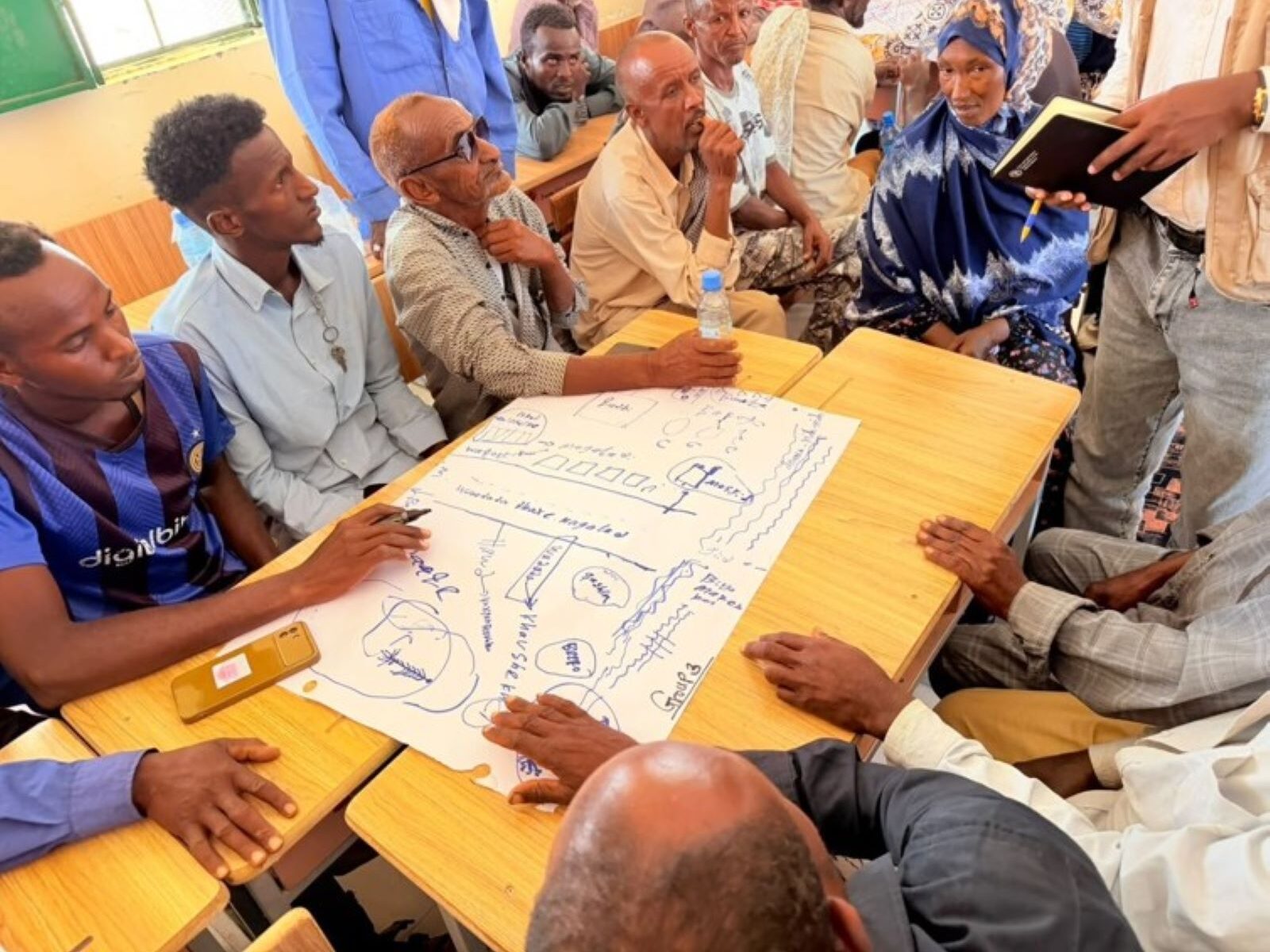
Through the Information Management Centres and sustained capacity development with federal and state partners, SWALIM is transferring systems, skills and ownership to the institutions that will carry this work forward.